How Many Calories In Bubble Tea Fruit? Full Nutrition Breakdown
Fruit bubble tea has become one of the most popular drinks in cafés and street shops worldwide. It looks refreshing, tastes sweet and fruity, and often feels like a “lighter” alternative to creamy milk tea. But many people are surprised when they learn that fruit bubble tea can still be high in calories—sometimes even comparable to desserts.
If you’re trying to manage weight, understand nutrition, or simply make more informed drink choices, this guide breaks down How Many Calories In Bubble Tea Fruit, including how ingredients like fruit syrup, juice, tapioca pearls, and toppings affect its total energy content.
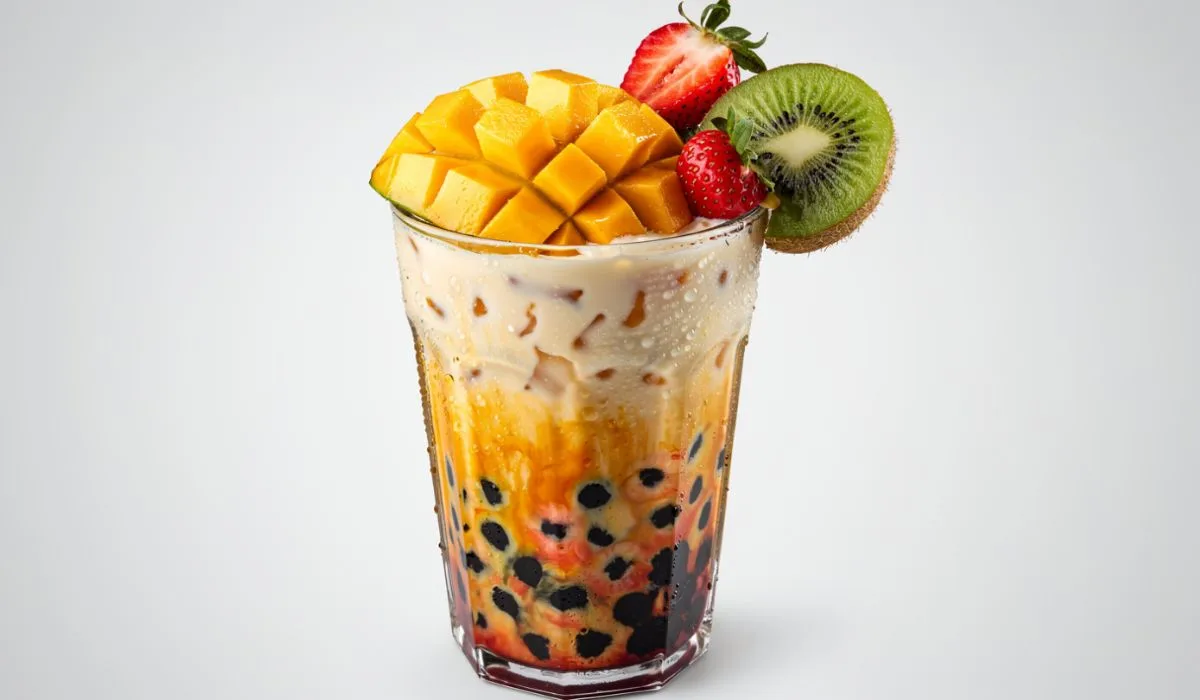
What Is Fruit Bubble Tea?
Fruit bubble tea (also called fruit boba or fruit tea) is a variation of bubble tea that replaces milk with:
- Fruit syrups or purées
- Fruit juice or flavored tea base
- Ice and sweeteners
- Tapioca pearls or other toppings (optional)
Unlike traditional milk tea, fruit bubble tea is often marketed as:
- Lighter
- More refreshing
- “Healthier” than creamy versions
However, the calorie content depends heavily on how much sugar, syrup, and toppings are used.
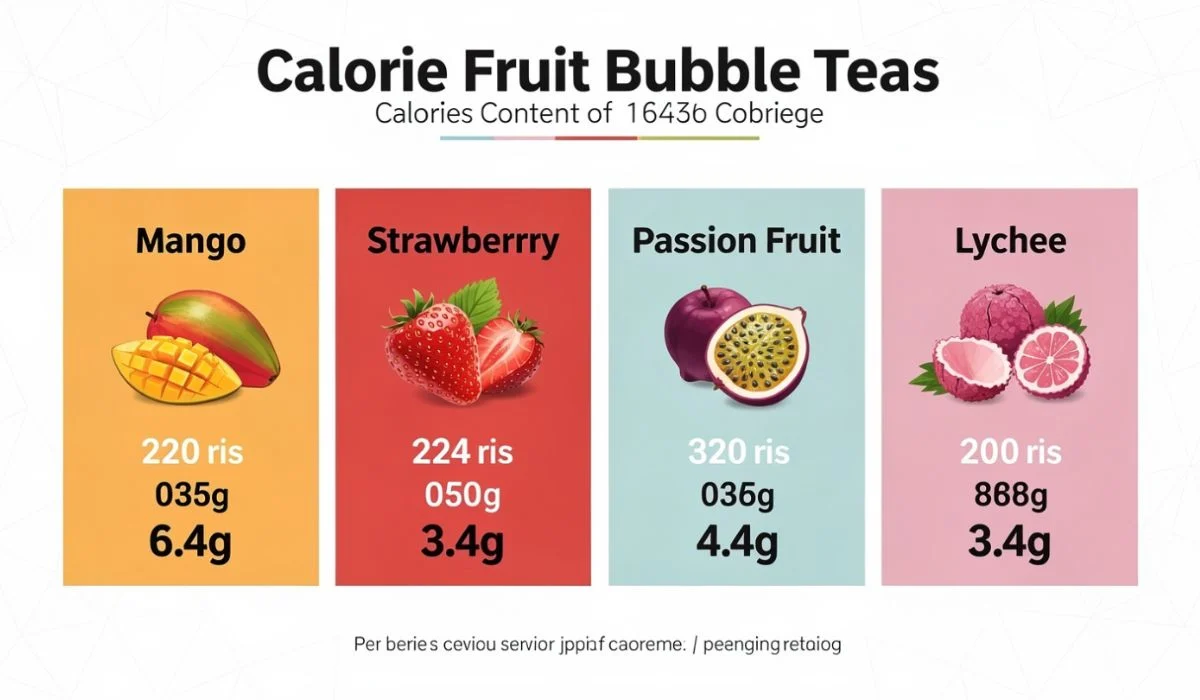
Average Calories in Fruit Bubble Tea:
A standard 500 ml (medium-sized) fruit bubble tea typically contains:
- 150 to 300 calories (without toppings)
- 250 to 500+ calories (with tapioca pearls or jellies)
Here’s a general breakdown:
| Type of Fruit Bubble Tea | Calories (Approx.) |
|---|---|
| Light fruit tea (no sugar, no toppings) | 80–120 kcal |
| Sweetened fruit tea | 150–250 kcal |
| Fruit tea + tapioca pearls | 250–400 kcal |
| Fruit tea + pearls + jelly + syrup | 350–500+ kcal |
The biggest surprise for many people is that toppings alone can double the calories.
Why Fruit Bubble Tea Isn’t as “Light” as It Seems:
Even though it looks like a fruit-based drink, fruit bubble tea is often:
- Sweetened with sugar syrups
- Made with concentrated fruit flavorings (not real fruit juice)
- Served with high-calorie toppings
Most commercial versions are closer to a dessert beverage than a natural fruit drink.
Read Next: Black Tea With Milk Benefits | Health, Energy, and Daily Wellness
Calorie Breakdown by Ingredients:
To understand fruit bubble tea properly, let’s break it down.
1. Fruit Syrup or Fruit Flavor Base
Many bubble tea shops use fruit syrups instead of fresh fruit.
- 1 serving syrup (30–40 ml): 50–100 calories
- High sugar concentration
- Low fiber, no real fruit structure
This is often the main calorie source in fruit bubble tea.
2. Fruit Juice or Purée
If real fruit juice is used:
- 100 ml fruit juice: 40–60 calories
- Higher if sweetened juice is used
However, many drinks combine juice with syrup, increasing sugar content significantly.
3. Tapioca Pearls (Boba)
Tapioca pearls are made from starch and sweetened during cooking.
- ½ cup cooked pearls: 150–200 calories
- Full serving in a drink: 180–300 calories
They are one of the highest-calorie toppings in bubble tea.
4. Jelly Toppings
Common jellies include:
- Grass jelly
- Coconut jelly
- Fruit jelly cubes
Calories:
- 50–120 calories per serving
Lower than pearls but still adds up.
5. Sugar Level (Critical Factor)
Sugar is adjustable in most shops:
| Sugar Level | Calories Contribution |
|---|---|
| 0% sugar | minimal (10–30 kcal) |
| 50% sugar | 50–80 kcal |
| 100% sugar | 100–150+ kcal |
Even fruit tea can become calorie-dense when full sugar is used.
Example: Full Fruit Bubble Tea Breakdown:
A typical 500 ml mango fruit bubble tea with pearls:
- Fruit syrup: 80 kcal
- Sweetened mango base: 100 kcal
- Tapioca pearls: 200 kcal
- Added sugar: 100 kcal
Total: ~480 calories
That’s roughly equal to:
- A small meal
- A chocolate bar + soda combined
- A slice of cake
Is Fruit Bubble Tea Healthier Than Milk Tea?
It depends on the recipe.
| Drink Type | Calories | Main Source |
|---|---|---|
| Milk tea | 300–600 kcal | Milk + sugar + pearls |
| Fruit bubble tea | 150–500 kcal | Syrup + sugar + pearls |
Fruit bubble tea is often slightly lower in calories only if milk and cream are avoided and sugar is reduced.
However, both can become high-calorie drinks depending on toppings.
Why People Underestimate Calories in Fruit Bubble Tea:
There are three main reasons:
1. It looks like a fruit drink
Fruit imagery creates a “healthy perception.”
2. It is liquid calories
People don’t feel full after drinking it.
3. Toppings hide calorie density
Pearls and jelly are not visible in calorie perception.
Does Fruit Bubble Tea Help with Hydration?
Not really.
Even though it contains liquid, the high sugar content can:
- Increase thirst
- Reduce hydration efficiency
- Cause energy spikes and crashes
Plain water or unsweetened tea is far better for hydration.
Blood Sugar Impact of Fruit Bubble Tea:
Fruit bubble tea can cause:
- Rapid glucose spikes (due to sugar syrup)
- Insulin response increase
- Energy crash afterward
This is especially relevant for people monitoring:
- Weight
- Diabetes risk
- Energy balance
Even fruit-flavored drinks can behave like sugary desserts metabolically.
How Fruit Bubble Tea Affects Weight Management:
If you drink fruit bubble tea regularly:
1. Calorie surplus risk
Even 300 calories per drink can add up quickly.
2. Reduced satiety
Liquid sugar does not reduce hunger.
3. Craving cycle
High sugar intake increases cravings for more sweets.
Weekly Calorie Example:
If you drink:
- 3 fruit bubble teas per week
- Average 350 calories each
That equals:
- 1,050 calories per week
- 4,200 calories per month
This can contribute to noticeable weight gain if not balanced.
Healthier Ways to Drink Fruit Bubble Tea:
You don’t have to avoid it completely. Instead, optimize it:
1. Choose 0% or low sugar
Reduces 50–150 calories per drink.
2. Skip tapioca pearls
Saves up to 200–300 calories.
3. Choose real fruit tea
Ask for real fruit instead of syrup when possible.
4. Reduce portion size
Smaller cups reduce total intake.
5. Avoid multiple toppings
One topping is better than three.
Best Low-Calorie Fruit Bubble Tea Order:
A smart order looks like:
- Fruit tea base (no syrup)
- 0–25% sugar
- No pearls
- Optional light jelly
Result: 80–150 calories
This keeps flavor while reducing calorie overload.
Fruit Bubble Tea vs Other Drinks:
| Drink | Calories |
|---|---|
| Water | 0 |
| Unsweetened green tea | 0–5 |
| Black coffee | 2–5 |
| Fruit bubble tea (standard) | 250–450 |
| Soda | 140–200 |
Fruit bubble tea is closer to soda or dessert drinks than tea.
Key Nutritional Insight:
Fruit bubble tea is not inherently “bad,” but it is:
- High in sugar
- Variable in calories
- Easy to overconsume
Its health impact depends entirely on ingredients and frequency.
Who Should Be More Careful?
People who should monitor intake closely:
- Individuals trying to lose weight
- People with insulin resistance or diabetes
- Those with sedentary lifestyles
- Anyone consuming multiple sweet drinks daily
Final Thoughts:
Fruit bubble tea is refreshing and enjoyable, but it is often misunderstood nutritionally. While it may appear light due to its fruit-based image, it can contain anywhere from 150 to 500+ calories per cup, depending on sugar levels and toppings.
The biggest calorie drivers are:
- Sugar syrups
- Tapioca pearls
- Sweetened fruit bases
By making small adjustments—such as reducing sugar or skipping toppings—you can significantly lower the calorie content while still enjoying the drink.
Ultimately, fruit bubble tea fits best as an occasional treat rather than a daily beverage, especially for those monitoring calorie intake or weight goals.
FAQs:
1. How many calories are in fruit bubble tea on average?
A standard cup contains about 150–300 calories, but it can go up to 500+ calories with toppings like tapioca pearls.
2. Why does fruit bubble tea have so many calories?
Most calories come from sugar syrups, sweetened fruit bases, and toppings like boba pearls, not the tea itself.
3. Is fruit bubble tea healthier than milk tea?
It can be slightly lower in calories if made with less sugar and no milk, but both drinks can be high in sugar and calories.
4. Do tapioca pearls increase calories a lot?
Yes. A single serving of pearls can add 150–300 calories, making them one of the biggest contributors.
5. Is fruit bubble tea good for weight loss?
Not regularly. It’s high in sugar and calories, so frequent consumption can slow weight loss progress.
6. Can I drink fruit bubble tea while on a diet?
Yes, but choose low sugar, no toppings, and smaller sizes to reduce calorie intake.
7. Does fruit bubble tea contain real fruit?
Sometimes, but many versions use fruit syrups or concentrates instead of fresh fruit.
8. What is the lowest-calorie way to order fruit bubble tea?
Choose 0–25% sugar, no pearls, and real fruit or unsweetened tea base.
9. How often can I drink fruit bubble tea?
Occasional consumption (like 1–2 times a week or less) is better for calorie control and health.
10. Is fruit bubble tea worse than soda?
Calories can be similar, but bubble tea often has more variability due to toppings and sugar customization.
11. Does fruit bubble tea cause weight gain?
It can if consumed frequently, since liquid sugar calories are easy to overconsume.
12. What is a healthier alternative to fruit bubble tea?
Unsweetened iced tea, infused water, or fresh fruit with plain tea are much lower-calorie options.